Why most free VPNs struggle with streaming
Free VPNs often fail on Netflix, Hulu, Disney+, and other platforms because:
1. Free VPNs reuse the same small pool of IP addresses
Popular streaming services maintain long lists of known VPN IPs (or Internet Protocol addresses). Free VPNs reuse the same IPs across millions of users, making them simple to detect and block. When providers see hundreds of people streaming from the same IP, they flag it immediately.
You’ll see errors like:
- “VPN or proxy detected.”
- “Please turn off your VPN.”
2. Free VPNs throttle speeds to push upgrades
Streaming HD or 4K content requires stable bandwidth. Most free VPNs limit speed because it’s expensive for them to operate large networks. That’s why free VPN users often see endless buffering, or streams that suddenly drop to 240p.
This is also where many data-collection behaviors happen in the background. Free VPNs often inject cookie trackers or monitor browsing behavior, similar to what you’d see in mass-surveillance environments.
3. Free VPNs make money through your data, not your subscription
Running a global VPN costs millions. If you’re not paying, many free VPNs turn to:
- Selling your browsing logs to data brokers
- Inserting ads
- Collecting your device identifiers
- Using your bandwidth in “peer” networks
- Log DNS requests, which can expose the exact sites you access even if your traffic is encrypted.
NymVPN’s free trial works differently
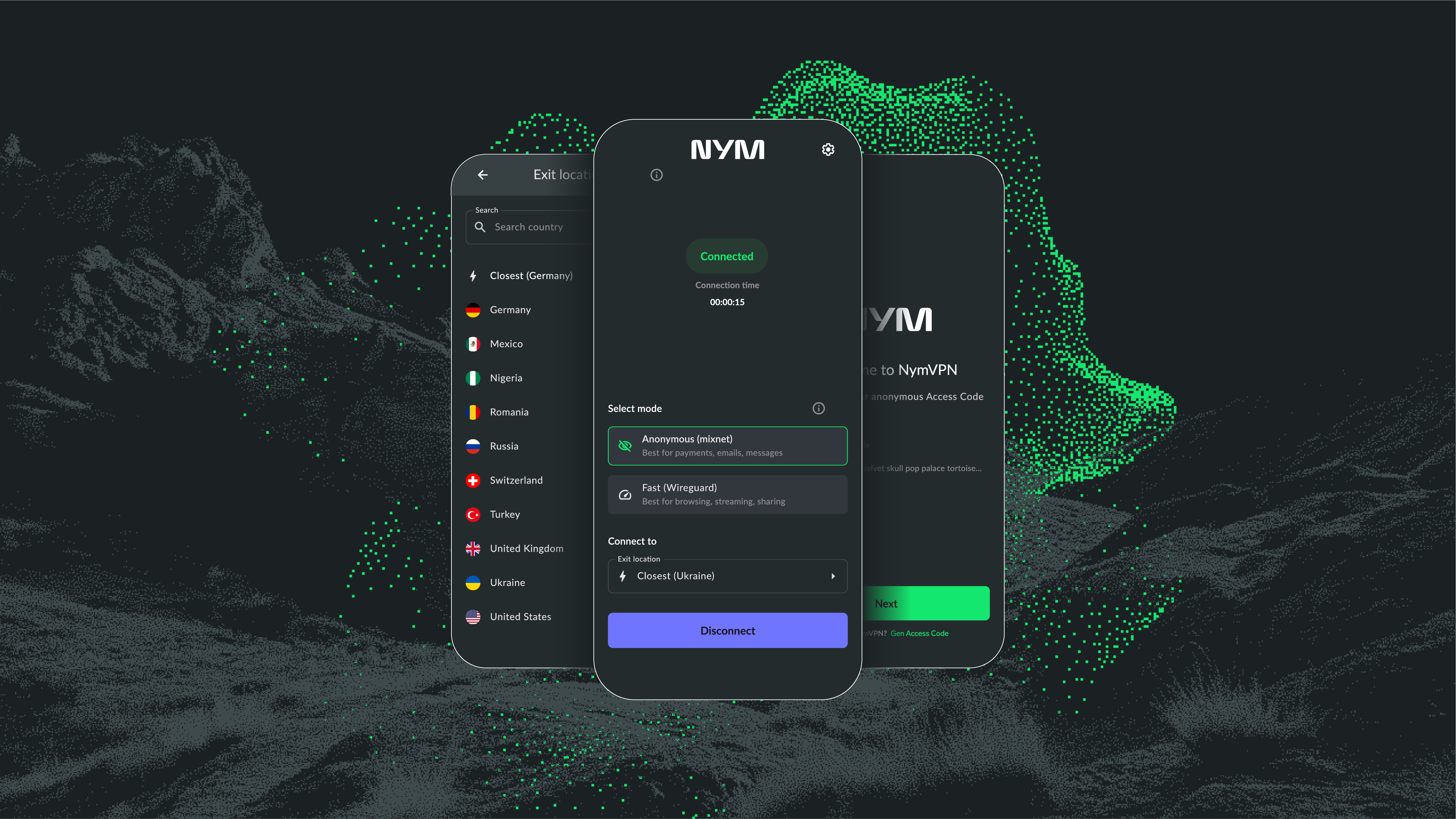
Most free VPNs are centralized services with trackable servers and loggable traffic. NymVPN is decentralized, meaning it routes traffic through a global network of independent nodes. This makes it far harder for anyone to analyze or link your activity.
Nym’s 7-day free trial gives you access to full privacy protections without ads, logging, or data selling. Whether you’re browsing, streaming, or accessing platforms privately (as explained in guides like accessing adult content privately: the system does not rely on collecting data to operate.
Here’s what makes NymVPN fundamentally different:
- No reused IP addresses tied to your account
- Mixnet architecture breaks traffic patterns
- Zero logs: there’s nothing to sell
- Traffic encryption happens at every hop and in multi-layers
- Both free trial and paid plans use identical privacy protections
Even when streaming platforms try to identify VPN traffic based on routing behavior, NymVPN dVPN technology makes this significantly harder because patterns are obscured. This is very different from traditional VPN tunnels that create predictable traffic flows.
Streaming services look for:
1. Traffic coming from known VPN servers
Free VPNs rarely rotate their IP pools. Once flagged, they remain blocked for months.
2. Traffic patterns that look like VPN tunnels
Even without seeing your activity, metadata reveals:
- IP address
- Location
- Packet timing
- Traffic bursts
- Encryption behavior patterns
These are the same techniques used by governments and ISPs, described in detail in our guide to traffic analysis.
3. DNS leaks revealing your real location
If your DNS requests aren’t securely routed, streaming platforms can spot your real region even if your IP is masked. This is one of the most common weaknesses in free VPN apps.
Learn more about how to change your IP address on any device.
Is it safe to stream with a free VPN?
It depends, but here’s the truth: Most free VPNs are not safe for streaming.
They often expose:
- Your real location
- Your DNS queries
- Your browsing history
- Your device information
Some free VPNs even route traffic through other users’ devices, creating security risks similar to torrent peer-sharing networks.
Streaming isn’t the issue: the type of VPN you’re using is.
If the provider logs your activity, your streaming habits can be tied back to your IP, which defeats the purpose of using a VPN in the first place.
How to safely unblock streaming content
1. Use a trustworthy privacy-first VPN
Choose a service that:
- Doesn’t log your data
- Doesn’t rely on shared IP pools
- Doesn’t sell access to advertisers
- Uses metadata-resistant routing
Nym’s decentralized architecture provides the privacy tunneling free VPNs lack.
2. Clear or reset your DNS
If you’re switching countries, flush DNS so streaming services don’t see old region data.
3. Avoid “browser VPN extensions”
These leak constantly. They rarely route all traffic, including DNS. Make sure to use private browsers that don’t log or leak your data.
4. Avoid “free unlimited VPNs” promising fast streaming
They’re typically monetized through logging or injecting trackers.
Stay truly anonymous for free with Nym’s 7-day free vpn trial
Most free VPNs don’t fail at streaming because of luck: they fail because they reuse IPs, log user data, and cut corners on privacy. If you want reliable, private streaming, look for a VPN that doesn’t depend on selling user data to stay afloat. Nym’s decentralized VPN, paired with its 7-day free trial, gives you strong privacy protections without the downsides of traditional free VPNs.