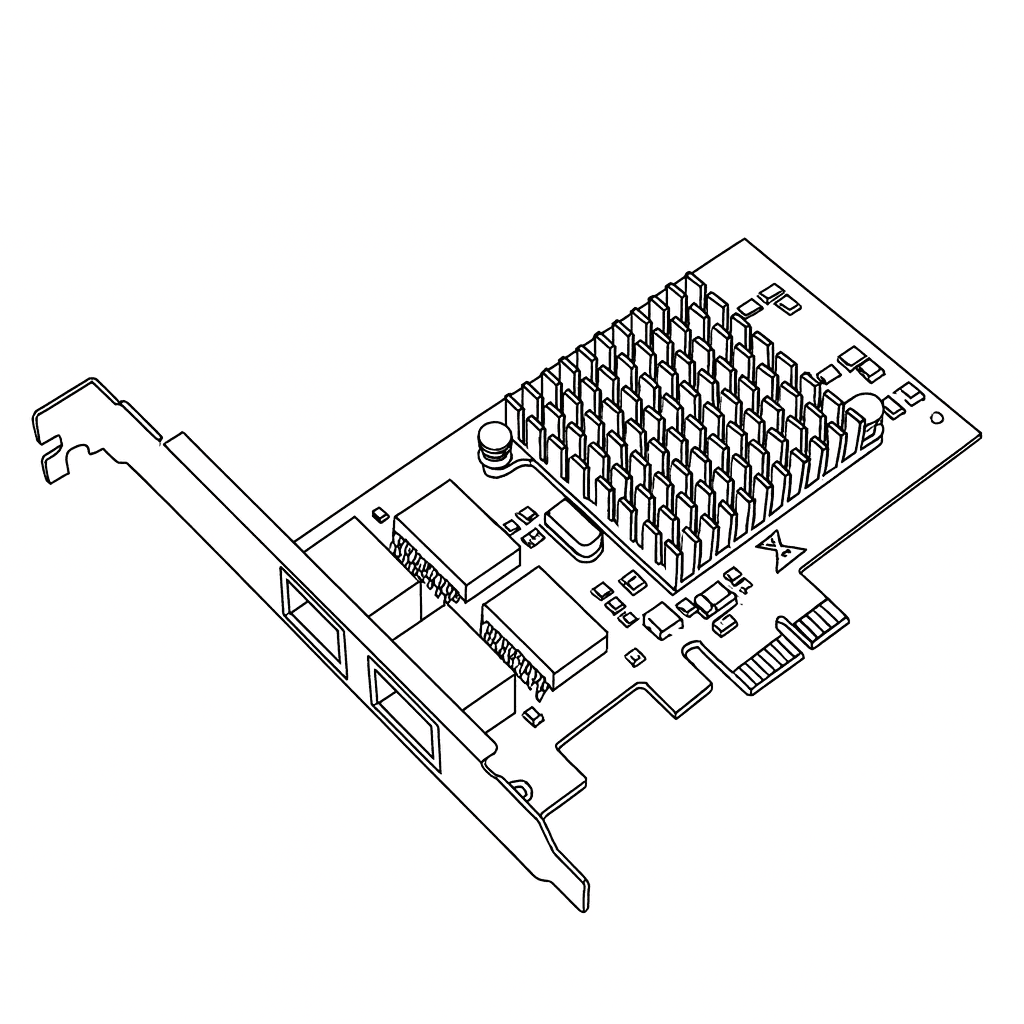
What is packet sniffing?
Tcpdump, Wireshark, and how your neighbor spies on you



Share
Curiosity might have killed the cat, but not hackers.
Packet sniffing is an extremely common technique in the world of cybersecurity. It consists of monitoring and capturing data packets that cross a given network. What makes packet sniffing different from packet analysis is basically their intent: the former “sniffs” data belonging to other users, and is therefore unauthorized interception, while packet analysis is a legitimate analysis of data flow.
Usually based on tools such as tcpdump and Wireshark, packet sniffing and analysis are widely used to monitor the health of a given system and can be used for both:
-
Legitimate purposes such as resolving connectivity issues and identifying TCP retransmissions; analyzing performance (latency, throughput, and packet loss); and forensic investigation and application debugging to reconstruct incidents.
-
Malicious purposes such as capturing credentials transmitted in plain text (e.g., FTP/HTTP without TLS); stealing session cookies or API tokens for account hijacking; and espionage and metadata collection for infrastructure mapping and social engineering.
How does a network work?
To understand what packet sniffing is, we should understand first what a network is. A computer network is, in simple terms, a set of devices connected to each other, capable of exchanging information.
This communication takes place in an organized and standardized manner, following a conceptual model called Open Systems Interconnection (OSI) which divides data transmission into the following 7 layers:
6. Regularly update software and security patches
Outdated software often contains vulnerabilities that attackers can exploit to deploy packet sniffers. Keeping operating systems, network devices, and applications up to date reduces the risk of such attacks.
Conclusion
Packet sniffing is both one of the most powerful and most dangerous tools in the field of cybersecurity. When used legitimately — in development environments, system administration, teaching, or forensic analysis — it becomes indispensable for understanding, debugging, and strengthening computer networks. On the other hand, when exploited with malicious intent, it becomes a stealthy mechanism for spying and stealing sensitive information.
This dual nature highlights a central lesson: technology itself is neither good nor bad, nor even neutral: it depends on the purposes of those who use it, as Melvin Kranzberg rightly pointed out. It is up to organizations and users to adopt robust defense measures — such as encryption, network segmentation, strong authentication, and continuous monitoring — to reduce the attack surface and hinder the actions of malicious sniffers.
Finally, understanding the workings, uses, and risks of packet sniffing is not just an academic exercise, but an essential step for anyone interested in protecting data and maintaining the integrity of communications in today's digital world.
Packet sniffers capture unprotected traffic
Nym encrypts and mixes yours so there's nothing to capture.


Packet sniffing: FAQs
Packet sniffing is used to capture data traveling across a network. While it’s often a legitimate tool for troubleshooting or network performance monitoring, it can also be abused by hackers to steal sensitive information like passwords and session tokens.
When traffic is unencrypted, packet sniffers can intercept and read raw data packets, including login credentials and personal messages. Even on secure sites, metadata like IP addresses and timestamps may still be visible without proper encryption.
Always use encrypted connections (HTTPS, SSL, TLS) and connect through a trusted VPN. NymVPN offers decentralized routing that hides both your data and metadata, making it impossible for sniffers to trace your activity or identify your device.
Yes. Open Wi-Fi networks are common targets for packet sniffing because data often travels unencrypted. Using NymVPN or other strong encryption tools helps block interception and ensures your private information stays private.
About the authors
Pedro Sydenstricker
Community WriterCasey Ford. PhD
Technical reviewerTable of contents
Keep Reading...

Who is tracking your internet activity, and why?
Your every move online is being tracked. Decentralized VPNs can better protect our privacy.
Can you be tracked while using a VPN?
VPNs are great privacy tools, but you can still be tracked. Choose the right type of VPN to avoid it.
Do VPNs protect you from hackers? Experts answer
VPNs can be powerful tools in protecting us from hackers, but not all cyber attacks. dVPNs are even more effective.

Nym is more than a VPN
The first app that protects you from AI surveillance thanks to a noise-generating mixnet