Having a VPN that says "Connected" isn’t enough. Without verifying its effectiveness, your digital privacy could remain exposed: leaving IP addresses, DNS requests, or even WebRTC leaks visible to third-parties and surveillance systems.
This article will guide you through how to test your VPN, including decentralized VPNs (dVPN) like NymVPN, and show why metadata protection is just as important as encryption.
Ben is a core member of Nym’s marketing team. He writes about privacy, security, and VPNs, helping users protect themselves from tracking and surveillance.
Casey Ford. PhD
Technical reviewer
Casey is the Head of Communications, lead writer at Nym, and editorial reviewer at Nym. He holds a PhD in Philosophy and researches the intersection of decentralized technologies and social life.
The first app that protects you from AI surveillance thanks to a noise-generating mixnet
8 mins read
Nym’s VPN leak test checklist
Checking if VPN works: FAQs
Features
What to expect (NymVPN)
Why it matters
IP address
Masked and changed
Protects identity and location
DNS requests
Routed through mixnet
Prevents ISP tracking
WebRTC behavior
No IP leaks
Protects browser-level privacy
Kill switch
Blocks traffic on disconnect
Prevents data exposure during failure
Metadata obfuscation
High due to mixnet + cover traffic & packet mixing
Prevents sophisticated traffic analysis
Why VPN testing matters
A Virtual Private Network (VPN) that appears active may still leak data:
Your real IP address, through WebRTC
DNS requests, revealing the sites you visit
Metadata patterns, like timing and traffic volume
Silent drops, when your connection fails without warning
These leaks can compromise your security, especially when using dApps, remote access, or accessing confidential networks.
To understand how metadata is tracked, check out Nym’s guide to What is metadata & what can it reveal?.
How to test your VPN
Why NymVPN excels at leak prevention
NymVPN goes beyond typical VPN protections:
Uses a decentralized mixnet to obfuscate metadata
Includes full DNS leak protection
Safeguards against WebRTC and IPv6 leaks
Offers a reliable kill switch to prevent IP exposure
No centralized logs: NymVPN is anonymous by design, not by policy
Take control of your digital privacy with NymVPN’s Early Bird Promo while it lasts. Join today for 80% off the world’s most private VPN and be among the first to own your privacy.
A secure VPN should mask your original IP address. With NymVPN, IP protection works alongside an underlying mixnet that ensures unlinkability.
To confirm:
Visit a site that shows your IP (e.g., a Nym blog)
If your VPN is active, the displayed IP should differ from your true IP
Learn more about how mixnets power metadata protection in What is a mixnet?.
A silent disconnection can expose your real identity. NymVPN includes a system-level kill switch that blocks all traffic if the VPN disconnects.
You can simulate a disconnect:
Turn off NymVPN mid-session
If traffic stops immediately, your kill switch is operating correctly
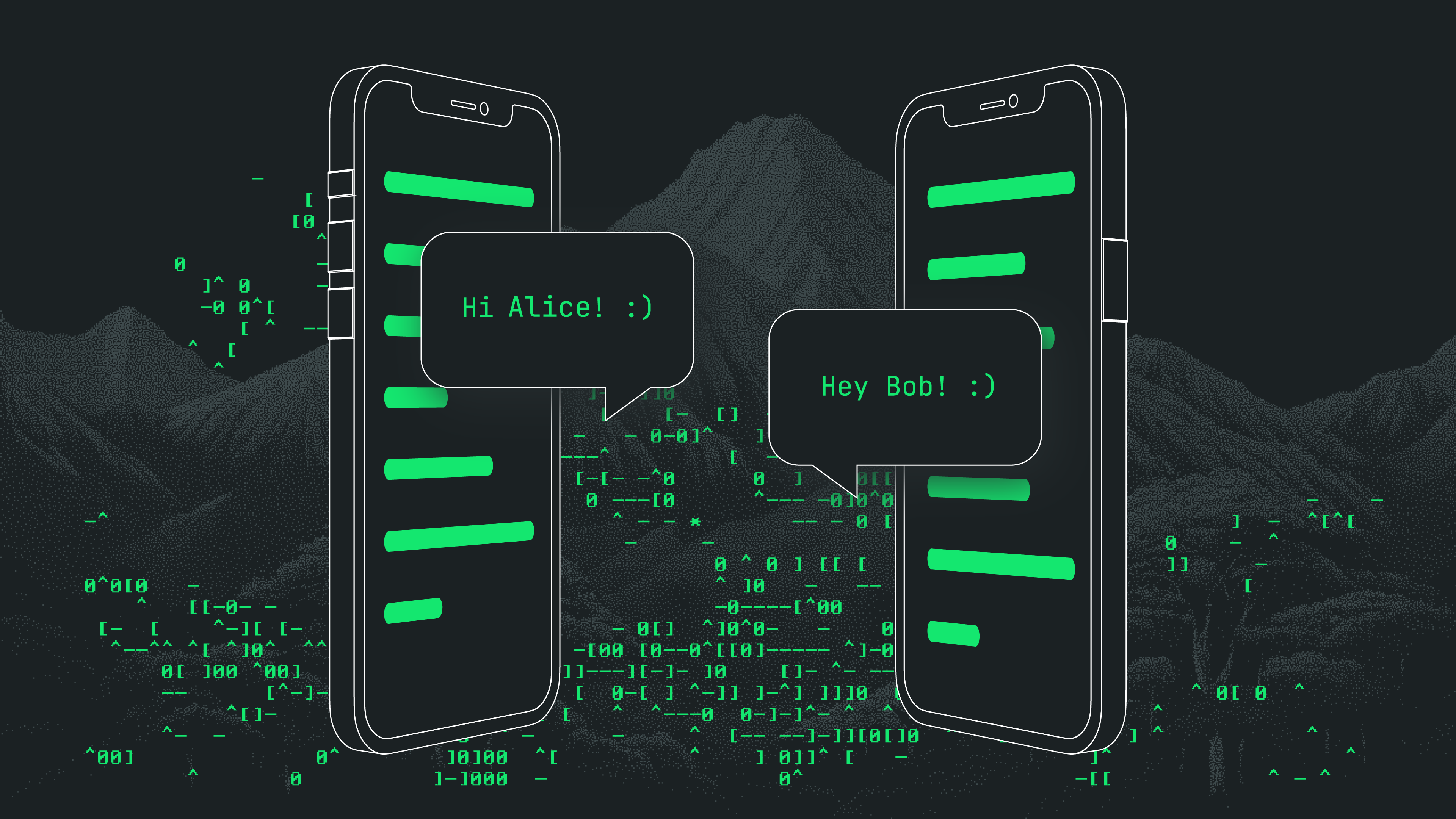
Even if your content and DNS are secure, metadata — like timing, volume, and routing patterns — can still reveal sensitive information.
Only decentralized VPNs with mixnets, like NymVPN, can obscure this metadata by routing packets through multiple independent nodes and with added network noise to combat surveillance.
With centralized VPNs, you must trust their no logs policies. NymVPN’s decentralized design removes that need: no central logs, no problem.
Ideally after setup, when switching servers or devices, or anytime you update the VPN software.
Mixnets introduce latency: it is best for latency-tolerate traffic like crypto transaction, private messaging, and email. But NymVPN balances this with the performance of the Fast mode, which is a decentralized 2-hop network powered by AmneziaWG (a fork of the WireGuard protocol.
Yes. Use browser-based tools and network utilities to verify IP, DNS, and WebRTC behavior on any platform.
Restart NymVPN, switch servers, update the client, or review our support docs — especially the DNS/WebRTC leak article above.